
Entrepreneurship Looks Different from the Inside
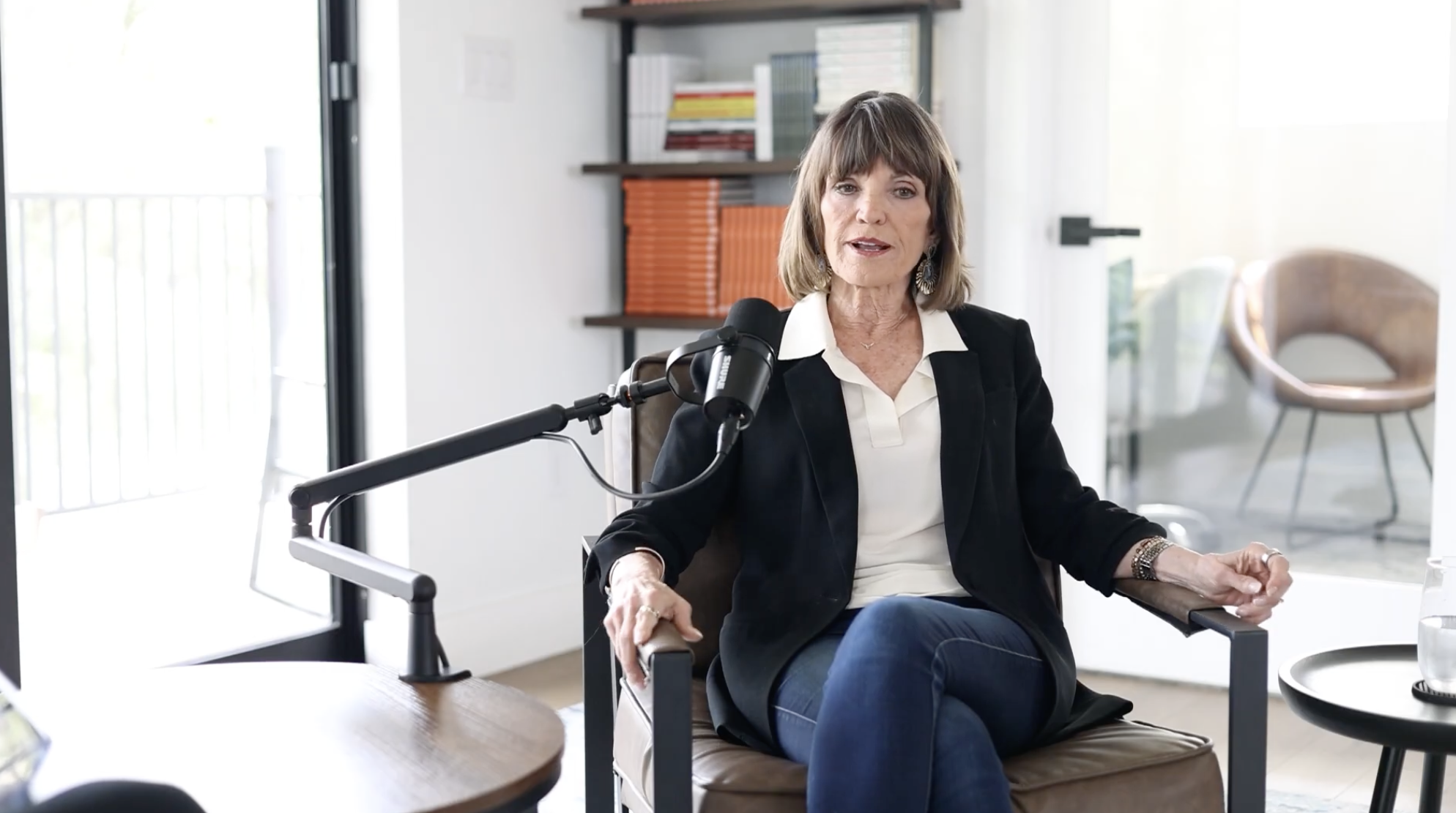
When my friend Elizabeth Davis invited me onto The Entrepreneur's Chair podcast, she opened with a simple question:
"After more than 30 years as an entrepreneur, what has changed the most?"
At first, I thought the answer was obvious.
I've had the privilege of building technology companies through the rise of the internet, cloud computing, social media, SaaS, mobile, and now artificial intelligence. Each wave has transformed how we build businesses and serve customers.
But after reflecting on her question, I realized the most important answer had very little to do with technology.
The longer I've been an entrepreneur, the more convinced I've become that while technology changes constantly, the fundamentals of building a great company change very little.
Early in my career, I believed success was mostly about having the right idea. Build a great product. Develop a compelling go-to-market strategy. Execute well.
Those things matter.
But they aren't what determines whether a company endures.
I've learned that companies rarely succeed or fail because of the original business plan. Every business eventually encounters the unexpected. Markets shift. Customers evolve. Competitors emerge. Entire industries can change almost overnight.
The companies that thrive aren't necessarily the ones with the smartest people in the room.
They're the ones with teams that learn, adapt, and lead together.
Looking back, three lessons have remained remarkably consistent throughout my career.
1. Who you build with is more important than what you build.
Ideas are important, but people determine whether those ideas become reality. The best teams challenge one another, trust one another, and continue learning long after the original plan has changed.
2. Your customers should shape more decisions than your competitors.
It's easy to become consumed by what everyone else is doing. The companies that create lasting value stay relentlessly focused on understanding their customers' problems and finding better ways to solve them.
One of my favorite reminders is this:
Wake up every morning more in love with finding new ways to make your customers' lives better.
That mindset has guided some of the best decisions I've made.
3. Great leaders create more leaders—not more followers.
As my career has evolved from operating companies to serving on boards, advising founders, and teaching entrepreneurship, I've come to appreciate that leadership isn't measured by how many people follow you.
It's measured by how many leaders you help develop.
Nothing gives me greater satisfaction today than watching someone else step into a leadership role they once doubted they could fill.
Leading Through Constant Change
One area that has changed dramatically is the pace of change itself.
Today's entrepreneurs are expected to embrace artificial intelligence, grow efficiently, recruit exceptional talent, build healthy cultures, and respond to markets that seem to evolve every week.
It's exciting.
It's also overwhelming.
One of the biggest mistakes I see leaders making is believing they have to transform everything at once.
The same is true with AI.
Companies often ask me, "How do we become an AI company?"
I think there's a better question:
"How can AI help us create more value for our customers?"
Instead of launching ten AI initiatives, choose one meaningful experiment.
Ask yourself:
Where are customers experiencing friction?
Which repetitive tasks consume too much of my team's time?
How can AI free my people to focus on higher-value work?
Technology should strengthen your strategy—not become your strategy.
The organizations making the greatest progress with AI aren't treating it as a race.
They're treating it as a learning journey.
Success Looks Different Today
If you'd asked me thirty years ago how I defined success, I probably would have talked about revenue, growth, acquisitions, or an IPO.
Those milestones matter.
But they aren't the legacy.
Today, I think success is measured differently.
It's building companies that genuinely improve customers' lives.
It's creating opportunities for other people to lead.
It's staying grounded in your values when circumstances change.
And it's leaving every organization stronger than you found it.
Technology will continue to evolve.
Markets will continue to change.
But I believe the entrepreneurs who build enduring companies will always have one thing in common:
They invest in people first.